How to Store Milk at Home: 9 Easy Tips for Freshness & Safety
Milk is a daily essential—but India’s heat and busy routines can make storage tricky. Follow this practical guide to keep your pasteurized milk fresh, tasty, and safe from the moment it reaches your door.
1) Chill Immediately—Don’t Leave Milk Out
Pasteurized milk should go straight into the fridge. Even 20–30 minutes at room temperature (especially in summer) can reduce shelf life. Aim for 0–4°C storage.
2) Use the Coldest Zone in Your Fridge
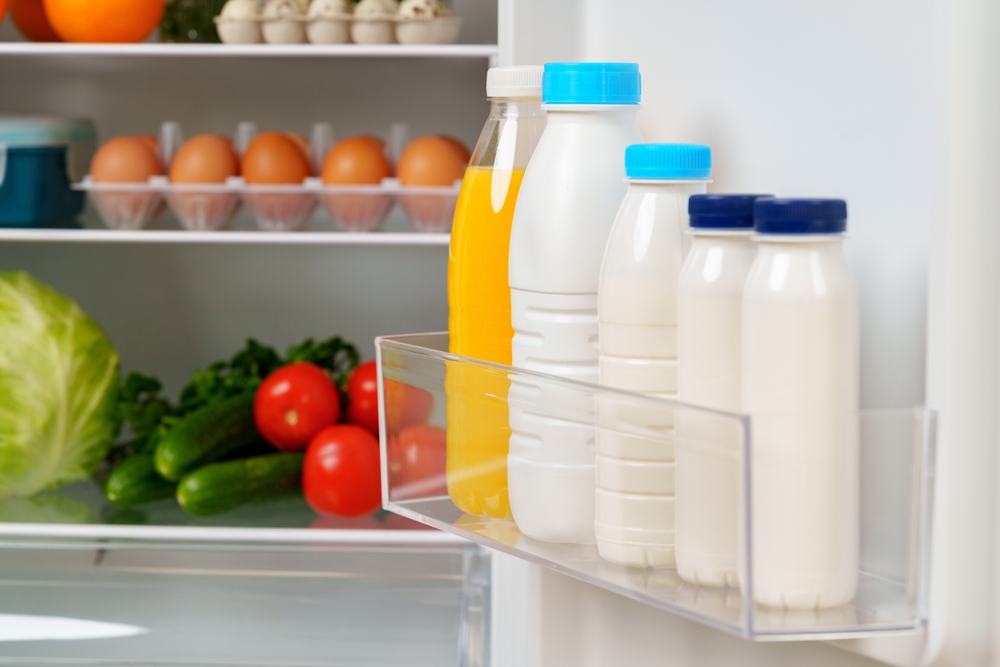
Avoid the fridge door—it warms up with every opening. Keep milk on a middle or lower shelf near the back where temperatures stay most stable.
3) Keep Packs Sealed and Upright
Open only when you’re ready to use. If you pour into a vessel, ensure it’s clean, dry, and covered. Always reseal or clip pouches to minimize exposure.
4) Boil if You Prefer—Then Cool Quickly
Pasteurized milk is safe as-is, but many households still boil once for taste or habit. If you do, bring to a gentle boil, cool quickly, and refrigerate. Don’t keep boiled milk out for hours.
5) Follow the Use-By Date—First In, First Out
Rotate stock so older packs get used first. If a pack looks puffed, leaking, or smells sour, discard it and contact support for assessment.
6) Power Cut Playbook (Very Important)
Keep fridge doors shut to hold the cold.
Move milk to an insulated bag with ice packs if the outage is long.
If the milk gets warm for extended time, don’t risk it—use fresh stock.
7) Don’t Dilute or Mix Old with New
Watering down milk or topping up yesterday’s milk with today’s can speed spoilage. Store separately and finish one batch before opening the next.
8) Freezing: Only If You’ll Cook with It
You can freeze milk in a pinch, but texture may split after thawing. Thaw in the fridge, shake well, and use for cooking/baking, not for tea/coffee or direct drinking.
9) Clean Containers Matter
If you transfer milk, use stainless steel or food-grade containers. Rinse, wash with mild detergent, and dry thoroughly to avoid odors or contamination.